
RAJASTHAN PHOTO TOUR
Rajasthan has a way of revealing its character through small details. It can be seen in the blue-painted houses of Jodhpur, the golden sandstone walls of Jaisalmer, or the quiet movement of life in a desert village. A traditional turban, an old doorway, a busy market, or a conversation outside a home can sometimes tell a more interesting story than a famous monument.
For photographers, Rajasthan is a place where history and everyday life exist side by side. Its forts and palaces reflect a royal past, while its streets, villages, and desert communities offer glimpses of traditions that continue today. From the colourful streets of Jaipur to the historic architecture of Jodhpur, the state offers some of the best places for photography in Rajasthan.
Exploring Jodhpur, Jaisalmer, and Khuri through a camera provides an opportunity to understand different sides of the region, from its architecture and landscapes to its people and cultural identity. Destinations such as Jaipur also offer fascinating opportunities for Jaipur photography, particularly around historic monuments, traditional markets, and colourful streets.
Jodhpur: Stories from the Blue City
Jodhpur is one of Rajasthan’s most visually distinctive cities. Known as the Blue City, its old neighbourhoods are filled with houses painted in different shades of blue. Viewed from above, the buildings create an unusual pattern beneath the impressive walls of Mehrangarh Fort.
But the real character of Jodhpur becomes visible when walking through its narrow streets.
Old doorways, traditional balconies, small temples, local shops, and residential lanes create interesting compositions. Morning activities bring the streets to life. Shopkeepers arrange their goods, residents go about their daily routines, and conversations take place outside familiar neighbourhood shops.
For photographers interested in Jodhpur Street Photography, these everyday moments offer valuable opportunities. The colourful turbans, traditional clothing, painted walls, and weathered architecture create a distinctive visual atmosphere. Exploring these streets and historic surroundings reveals some of the most interesting Jodhpur photography locations.
Rather than photographing only the city’s famous landmarks, spending time in its neighbourhoods can reveal a more personal side of Jodhpur. Along with Jodhpur, Jaipur is another destination worth exploring for photographers. Its historic monuments, traditional markets, and colourful old-city streets make it one of the interesting photography places in Jaipur.
Mehrangarh Fort also offers an impressive architectural subject. Its massive walls, carved windows, courtyards, and elevated views help photographers explore the relationship between historic architecture and the modern city.

Jaisalmer
Jaisalmer: Life Among Golden Sandstone Walls
Jaisalmer is often called the Golden City because of its distinctive yellow sandstone architecture. As sunlight changes throughout the day, the buildings and narrow lanes take on different shades of gold.
The historic Jaisalmer Fort is one of the city’s most recognisable landmarks. Unlike many forts that function primarily as historical attractions, Jaisalmer Fort continues to be a living settlement, with homes, shops, temples, and everyday activities within its walls.
This makes it particularly interesting for documentary and travel photography. A Jaisalmer Photography Guide would not be complete without exploring the fort’s historic lanes, traditional havelis, local markets, and surrounding desert landscapes.
Walking through the old lanes reveals carved windows, traditional havelis, colourful shopfronts, and small details of local life. The architecture offers strong visual patterns, while the people who live and work in these surroundings bring movement and character to the photographs.
The city’s markets are another interesting subject. Traditional textiles, handicrafts, jewellery, and locally made products reflect the artistic skills and commercial traditions of the region.
Jaisalmer photography is not limited to capturing golden buildings. It is equally about documenting the people, activities, and everyday interactions that give the city its identity. The annual desert celebrations also offer opportunities for Jaisalmer Desert Festival photography, with colourful cultural performances, traditional attire, folk music, and local festivities providing subjects for documentary and cultural photographers.
Khuri Village: The Quiet Character of Desert Life
Away from the busy streets of Jaisalmer, Khuri offers a different experience of Rajasthan. The village is known for its desert surroundings, traditional settlements, and connection with the landscape of the Thar Desert.
Here, the visual experience becomes quieter and more open. Sandy paths, traditional houses, livestock, village activities, and distant dunes provide opportunities to explore rural life through photography.
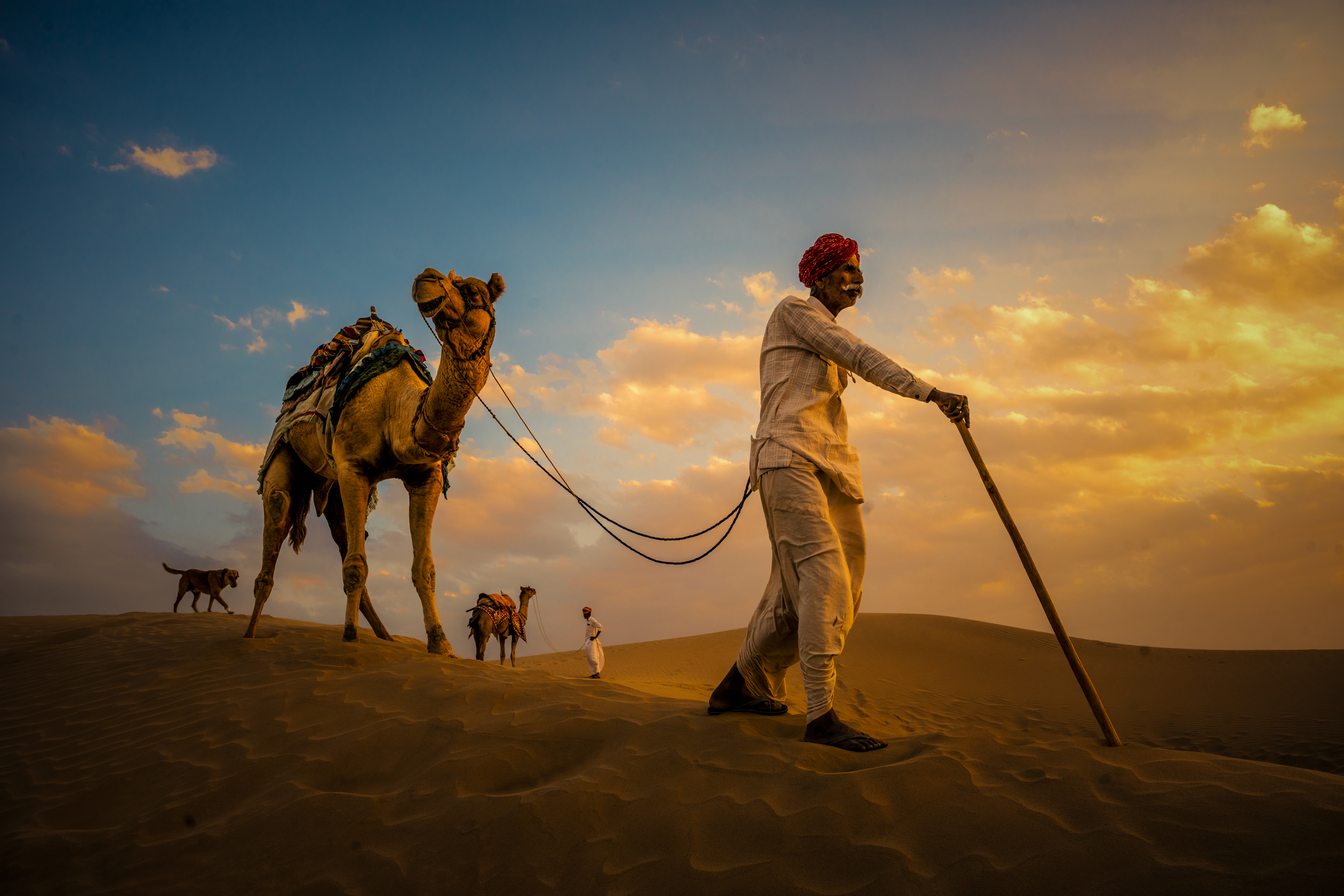
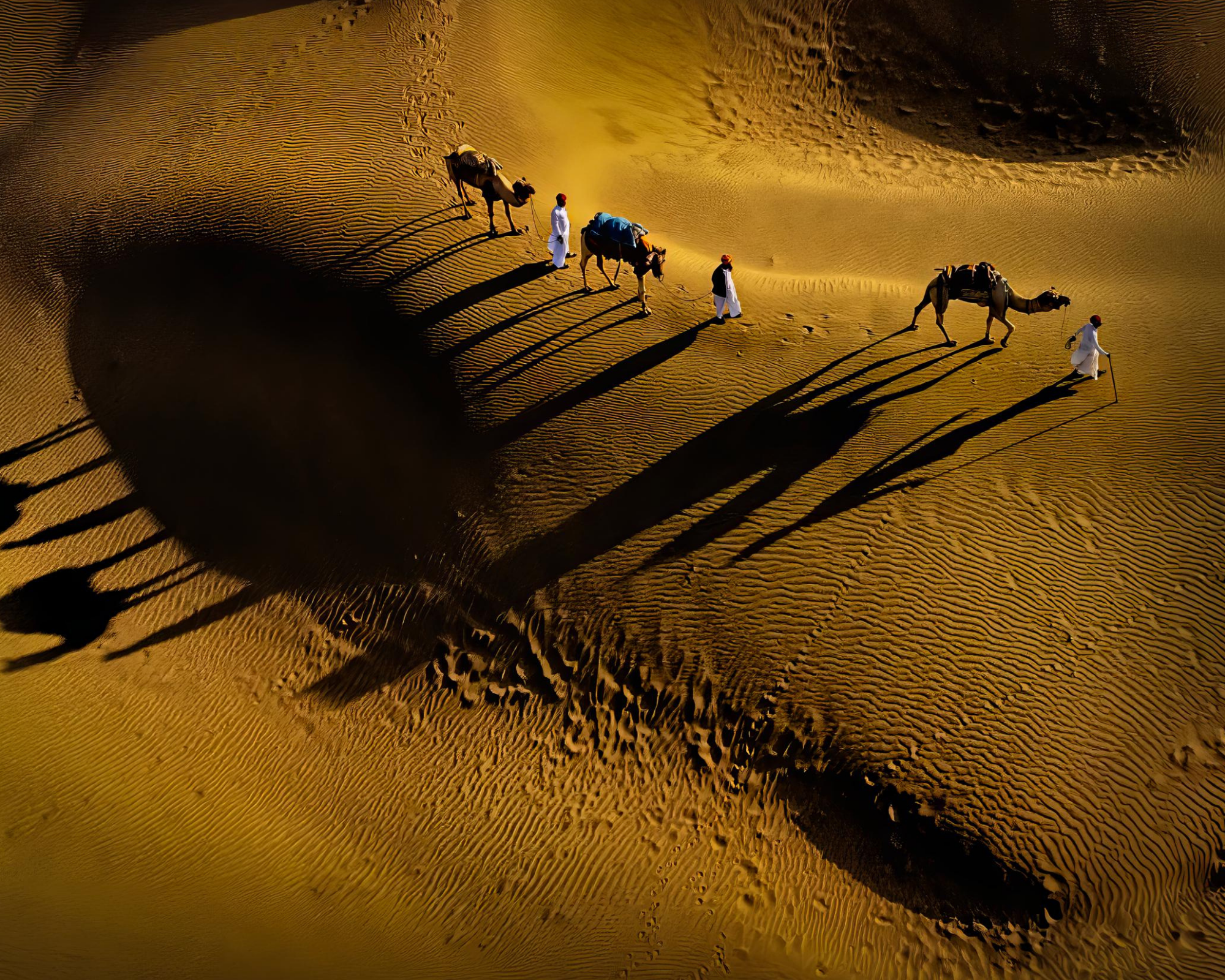
The desert landscape changes throughout the day. Early morning light creates soft shadows across the sand, while the late afternoon sun brings warmth and texture to the dunes. The movement of people and camels across this landscape can create interesting compositions.
However, Khuri Village Photography should not focus only on desert scenery. The people and their everyday routines are equally important.
Traditional clothing, household activities, local occupations, and interactions between residents offer opportunities for documentary storytelling. A person walking through a village lane or a family going about its daily work can communicate the relationship between people and their environment.
For photographers, observing these moments patiently can lead to images that feel more personal and meaningful.
Rajasthan’s Royal photography
Rajasthan’s Royal Heritage: Beyond the Forts and Palaces
Rajasthan’s identity is closely connected with its royal history. Across the region, forts, palaces, havelis, and historic settlements preserve architectural traditions developed over centuries.
Mehrangarh Fort in Jodhpur and Jaisalmer Fort are important examples of the region’s historic architecture. Their walls, gateways, courtyards, and carved details provide endless possibilities for architectural photography.
But Rajasthan’s heritage is not limited to royal buildings.
Traditional crafts, folk music, local festivals, clothing, and community practices are also important parts of its cultural identity. Artisans continue to work with textiles, jewellery, leather, wood, and other materials using skills passed down through generations. This makes Rajasthan handicraft photography an interesting way to document traditional skills, handmade products, and the people who preserve these crafts.
Photographing these traditions helps create a broader picture of Rajasthan, one that connects its royal past with the people who continue to shape its cultural life.
Street Photography and the Human Stories of Rajasthan
One of the most rewarding aspects of Rajasthan Travel Photography is the opportunity to observe everyday life.
Markets, residential streets, village gatherings, workshops, and public spaces offer a variety of photographic situations. Each location has its own rhythm, and understanding that rhythm can make a difference to the photographs.
For photographers interested in Rajasthan market photography, local bazaars offer colourful textiles, traditional jewellery, handicrafts, food stalls, and everyday interactions between shopkeepers and customers.
Street photography often depends on timing and observation. A shopkeeper arranging colourful fabrics, an artisan concentrating on a handmade object, or two people sharing a conversation can become meaningful subjects.
Traditional clothing and colourful surroundings may attract attention, but the strongest images often come from expressions, gestures, and interactions.
Respect is important when photographing people. Asking permission for close portraits, following local customs, and avoiding interference with private activities help create a more responsible photography experience.

Photography
Photographing Rajasthan’s Desert Landscapes
The Thar Desert is an important part of Rajasthan’s visual identity. Its dunes, open horizons, scattered settlements, and changing light create a landscape that feels different from the state’s historic cities.
For Rajasthan Desert Photography, light and timing are particularly important.
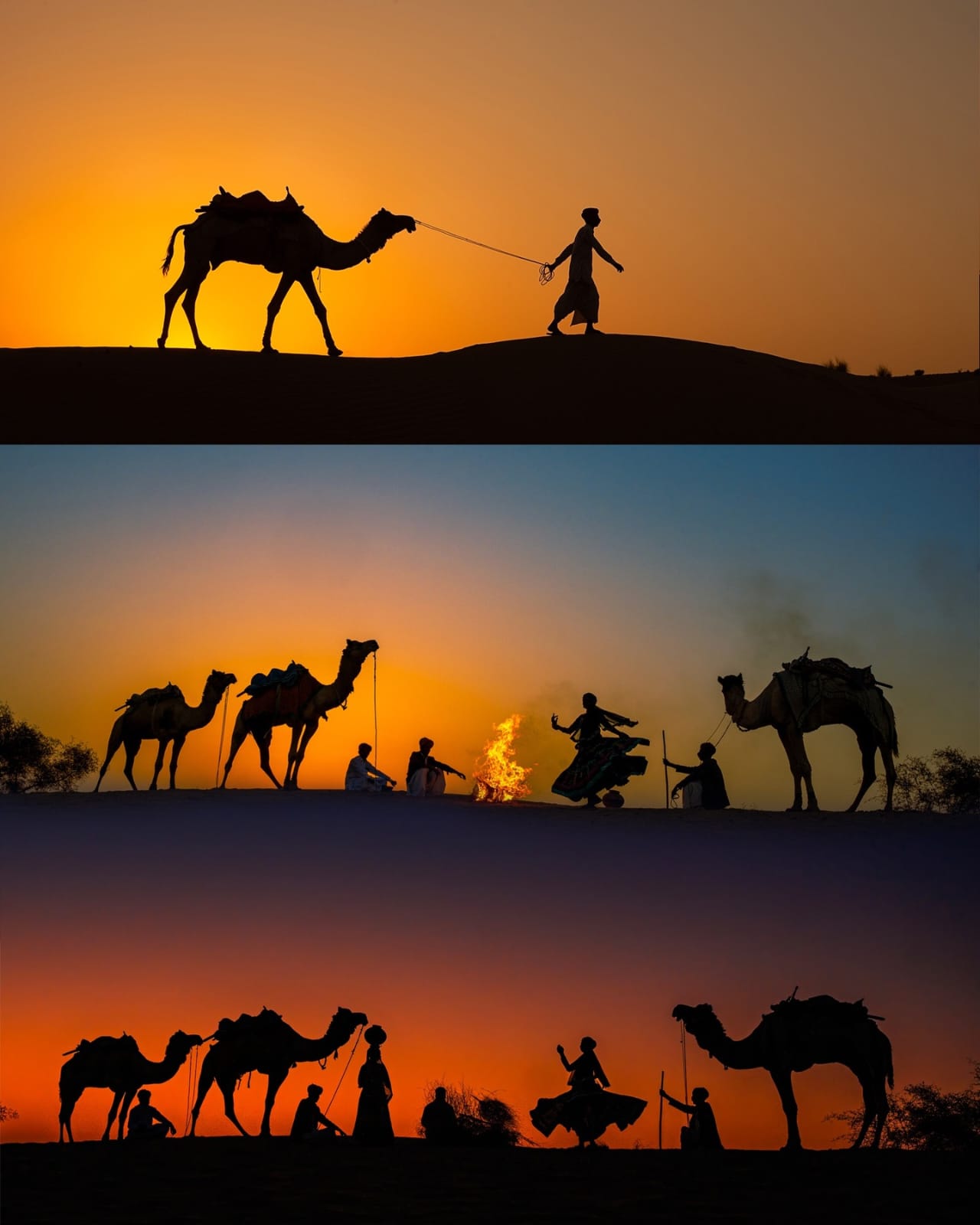
Early mornings can reveal delicate patterns in the sand, while evening light creates longer shadows and warmer colours. Camel movements and human figures can add scale to wide desert compositions.
Rajasthan camel photography offers another perspective on desert life, capturing camel movements, traditional camel activities, and the relationship between people and animals in this landscape.
Photographers can also look beyond traditional landscape images. Footprints, textures, animal tracks, village paths, and the interaction between people and the environment offer interesting photographic details.
Combining these images with photographs of local communities can create a more complete visual story of desert life.
Rajasthan’s Villages and Rural Traditions
Beyond the historic cities, Rajasthan’s villages reveal a quieter side of the region. Traditional houses, local occupations, community gatherings, and everyday routines provide meaningful subjects for Rajasthan village photography.
Rural life is closely connected with the surrounding landscape, local resources, and long-standing traditions. Through Rajasthan rural photography, photographers can document village streets, traditional homes, local people, and activities that form part of everyday life.
These scenes also contribute to cultural photography Rajasthan, helping viewers understand the region through its people, customs, traditional skills, and community experiences.
Experiencing Rajasthan Through a Photography Journey
Jodhpur, Jaisalmer, and Khuri each offer a different perspective on Rajasthan. Jodhpur brings together historic architecture and lively urban streets. Jaisalmer combines golden sandstone heritage with everyday life inside its historic settlement. Khuri offers a closer look at the desert environment and rural communities.
The Royal Rajasthan Photo Tour, organised by Arun Saha Photography, offers an opportunity to explore the region’s diverse landscapes, royal heritage, local culture, and everyday life through photography. Led by Arun Saha, a National Award Winner photographer, the journey highlights Rajasthan through meaningful visual stories.
For those interested in exploring the photographic journey, the Royal Rajasthan Photo Tour page provides further information.
You can also explore Arun Saha Photography, view the photography portfolio, and learn more about Arun Saha.
Conclusion: Seeing Rajasthan Beyond the Postcard
Rajasthan is often remembered for its grand forts, colourful clothing, and golden desert landscapes. But its deeper character can be found in the everyday experiences of its people.
A walk through Jodhpur’s blue streets, a conversation in a Jaisalmer market, or an ordinary moment in Khuri can reveal something that a postcard image cannot always communicate.
For photographers, the value of Rajasthan lies in this variety. Its architecture, traditions, landscapes, and human stories offer opportunities to create images with context and meaning.
The most memorable photographs may not always come from the most famous locations. Sometimes, they emerge from a quiet street, a familiar village scene, or a passing moment that captures the spirit of a place.
Jaisalmer photography