
DEVOTION
There are some places in Maharashtra where faith is not just something people talk about. You can see it in the streets, hear it in the chants, and feel it in the atmosphere. Jejuri is one such place.
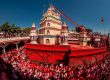
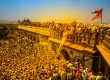
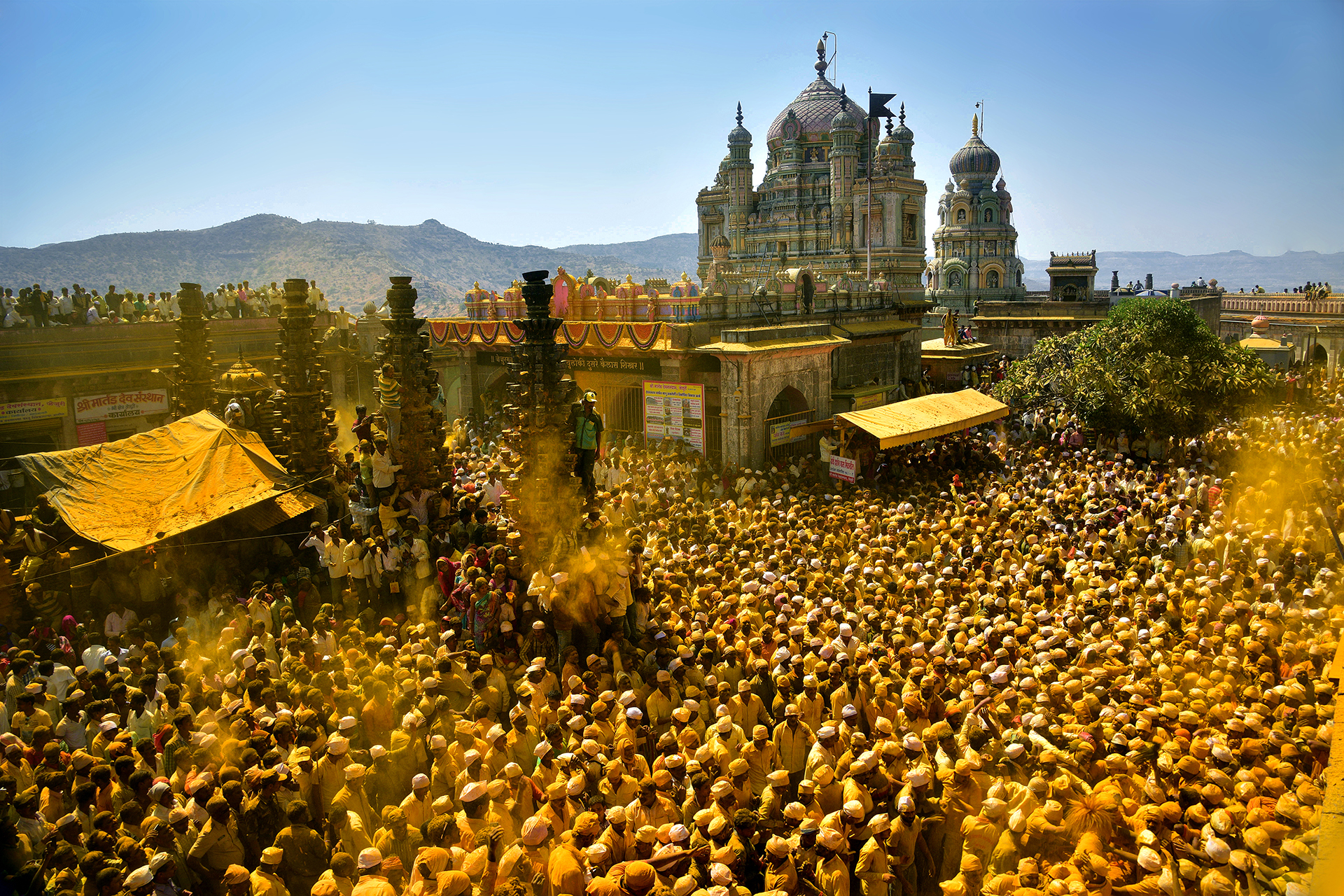
Known as Sonyachi Jejuri, or Golden Jejuri, this small temple town near Pune becomes a sea of yellow during the famous Bhandara Festival. Devotees climb the temple steps carrying turmeric, prayers, and deep devotion to
Lord Khandoba. As turmeric fills the air, the entire landscape takes on a golden colour.
But behind this colourful celebration is a story of faith, tradition, and a deity who holds a special place in the lives of many Maharashtrian families.
Who Is Lord Khandoba?
Lord Khandoba, also known as Malhari Martand or Khanderaya, is a widely worshipped deity in Maharashtra. He is regarded as a form of Lord Shiva and is especially respected by farming, shepherding, warrior, and several other communities.
For many families, Khandoba is their Kuldaivat, or family deity. His blessings are traditionally associated with protection, prosperity, and well-being.
According to local religious tradition, Khandoba fought and defeated the demons Mani and Malla, protecting people from their troubles. This story represents the victory of good over evil and remains an important part of his worship.
His principal temple at Jejuri is not simply a religious destination. It is a place where generations of traditions continue to bring people together.
sonyachi jejuri
Why Is Jejuri Called Sonyachi Jejuri?
The name Sonyachi Jejuri means Golden Jejuri, and anyone visiting during the Bhandara celebrations can understand why.
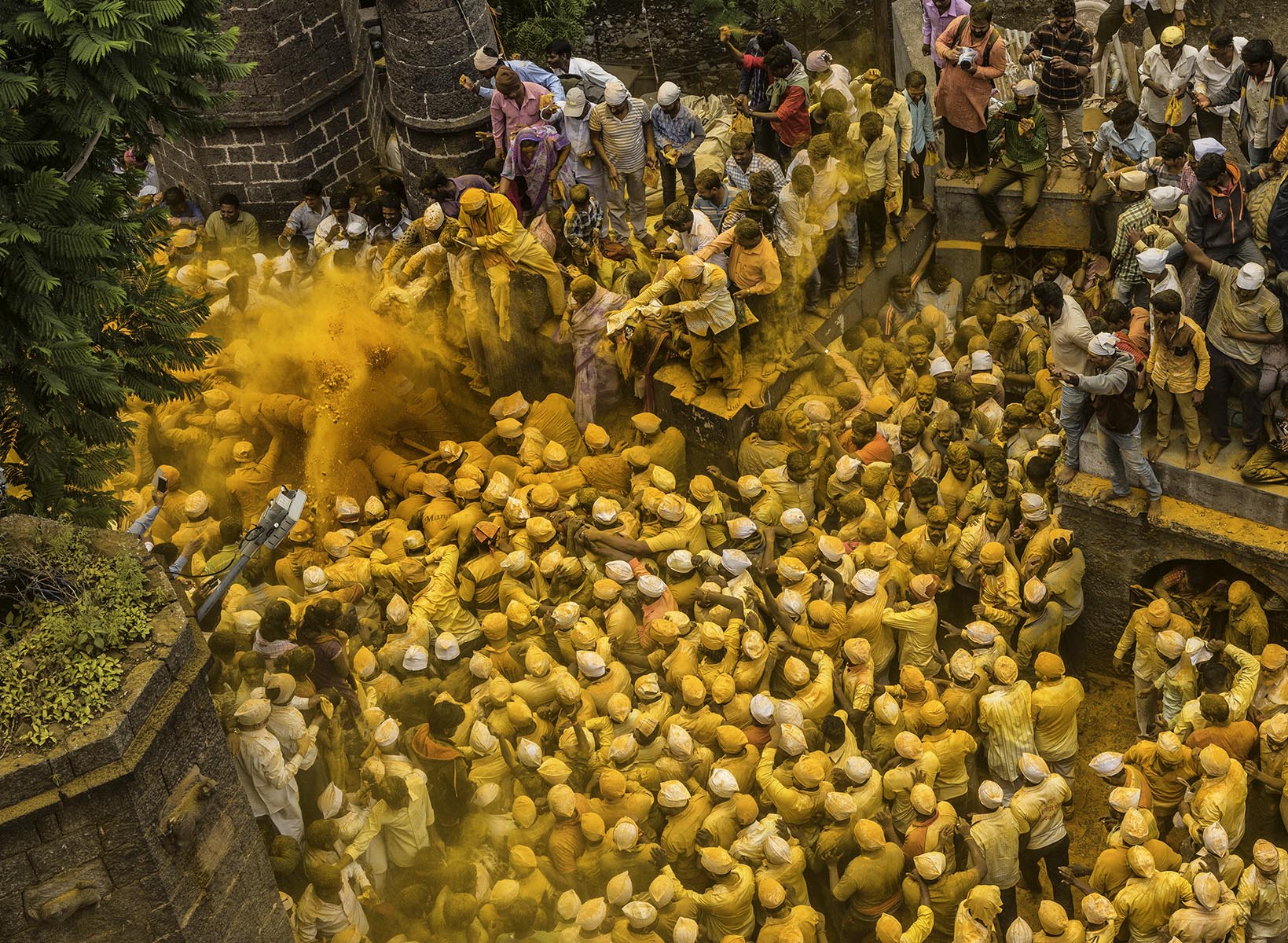
Turmeric, locally known as Bhandara, plays a central role in the worship of Lord Khandoba. Devotees offer turmeric powder, often mixed with dry coconut, and shower it into the air as an expression of devotion.
The temple steps, courtyards, rooftops, and even the clothes of devotees become covered in yellow. The familiar chants of “Yelkot Yelkot Jai Malhar” echo through the temple surroundings.
It is a celebration that is difficult to describe in words. The colour is striking, but what makes the experience meaningful is the faith behind every offering and every chant.
The Story Behind the Bhandara Festival
The BHANDARA FESTIVAL is one of the most recognisable religious celebrations associated with Jejuri.
Turmeric is more than a decorative part of the festival. It carries traditional associations with purity, prosperity, auspiciousness, and the worship of Khandoba.
During Somvati Amavasya, when the new moon falls on a Monday, a palanquin carrying the images of Khandoba and his wife Mhalsa is traditionally taken from the hilltop temple towards the Karha River for a ceremonial ritual.
The procession, traditional chants, temple rituals, and gathering of devotees create an atmosphere that reflects the living cultural traditions of Maharashtra.
For a deeper look at the festival, read Bhandara – The Golden Festival of Jejuri.

Jejuri
Somvati Amavasya: An Important Celebration at Jejuri
SOMWATI AMAVASHYA holds special importance for devotees of Lord Khandoba. On this occasion, people gather to offer prayers, participate in traditional rituals, and seek blessings.
The palanquin procession towards the Karha River is among the important parts of the celebration. The combination of devotion, traditional music, turmeric offerings, and the movement of the crowd gives Jejuri a distinctive atmosphere.
Jejuri: A Living Tradition of Maharashtra
JEJURI represents an opportunity to experience a tradition that continues to connect families and communities across generations.
The climb to the hilltop temple, the sound of devotional chants, the golden turmeric-covered steps, and the everyday interactions among devotees make this place special.
The festival also offers a glimpse into rural Maharashtra, where religious traditions remain closely connected with community life.
For anyone interested in Indian heritage, Jejuri is much more than a colourful destination. It is a reminder of how faith, history, and local identity come together.
Why the Turmeric Festival Is Special
The TURMERIC FESTIVAL of Jejuri is memorable because it brings together several elements of traditional culture:
- Faith: Devotees gather to honour their family deity, Lord Khandoba.
- Tradition: Turmeric offerings and the palanquin procession preserve longstanding rituals.
- Community: Families and devotees from different regions come together.
- Culture: Chants, temple architecture, local customs, and religious practices create a unique experience.
- Colour: The yellow turmeric gives Sonyachi Jejuri its distinctive appearance.
The experience is not only about seeing a golden landscape. It is about understanding the people and traditions that make the celebration meaningful.
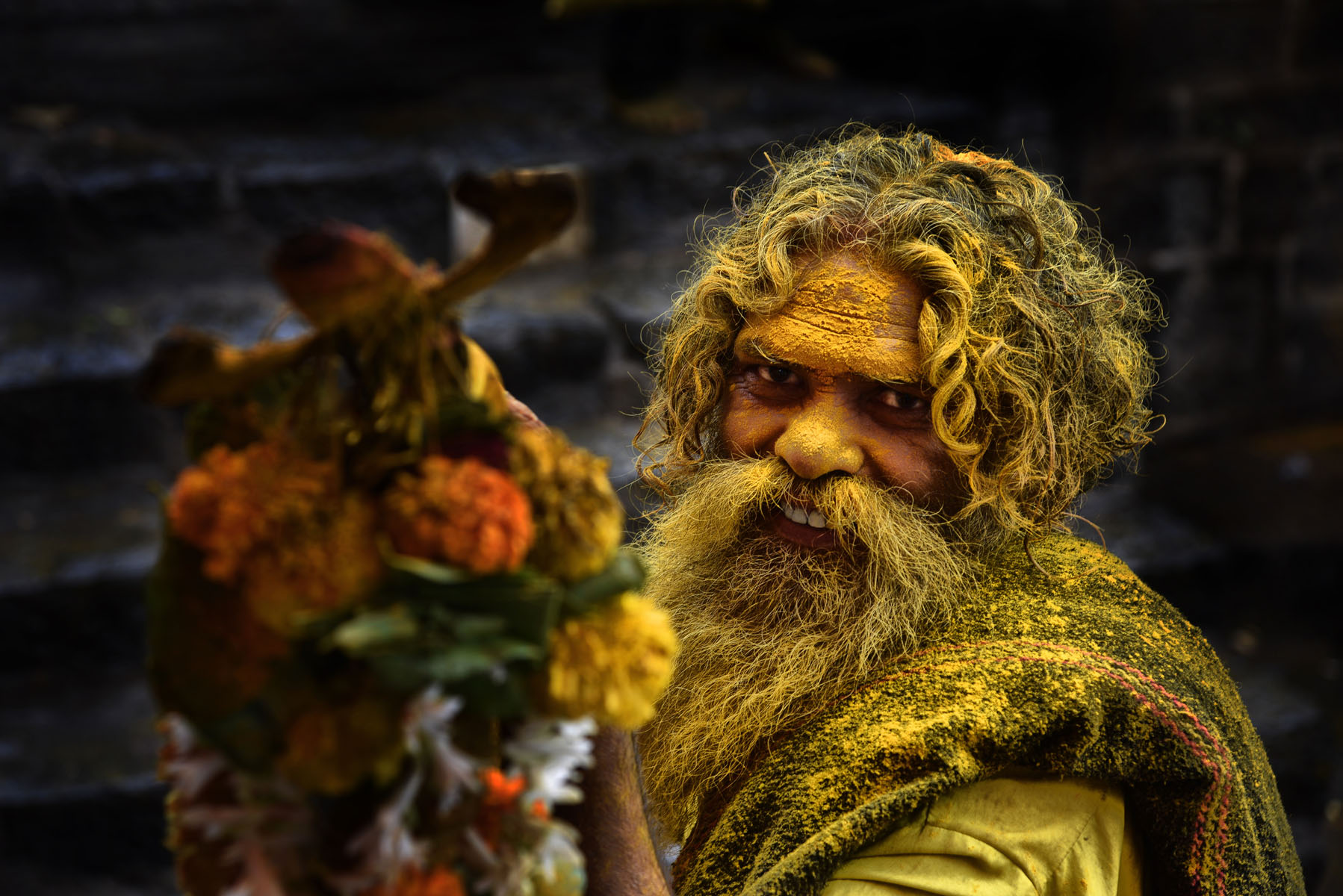
JEJURI BHANDARA FESTIVAL PHOTO
Experience Jejuri Through a Photography Journey
Festivals like Jejuri offer stories that go far beyond colourful scenes. Every temple corner, devotee, procession, and traditional ritual reveals something about Maharashtra’s cultural heritage.
Through Arun Saha Photography, these stories are explored through travel and documentary photography, with an emphasis on understanding the people and traditions behind each celebration.
The JEJURI PHOTO TOUR offers an opportunity to experience the festival and explore its cultural atmosphere through photography, with guidance from photographer and mentor Arun Saha.
You can also explore the Arun Saha Photography portfolio to discover more photographs documenting India’s festivals, people, and traditions.
His work and recognition, including the National Photography Awards, reflect the importance of photography in documenting India’s visual and cultural heritage.
A Celebration That Stays in Your Memory
Jejuri is remembered for its golden colour, but its real beauty lies in the devotion and traditions behind it. Lord Khandoba continues to bring people together, and the Bhandara Festival remains a meaningful part of Maharashtra’s cultural identity.
Whether you visit as a devotee, traveller, or photography enthusiast, Sonyachi Jejuri offers a glimpse into a living tradition that has been carried forward through generations.
Explore more cultural stories and photography journeys with Arun Saha Photography.
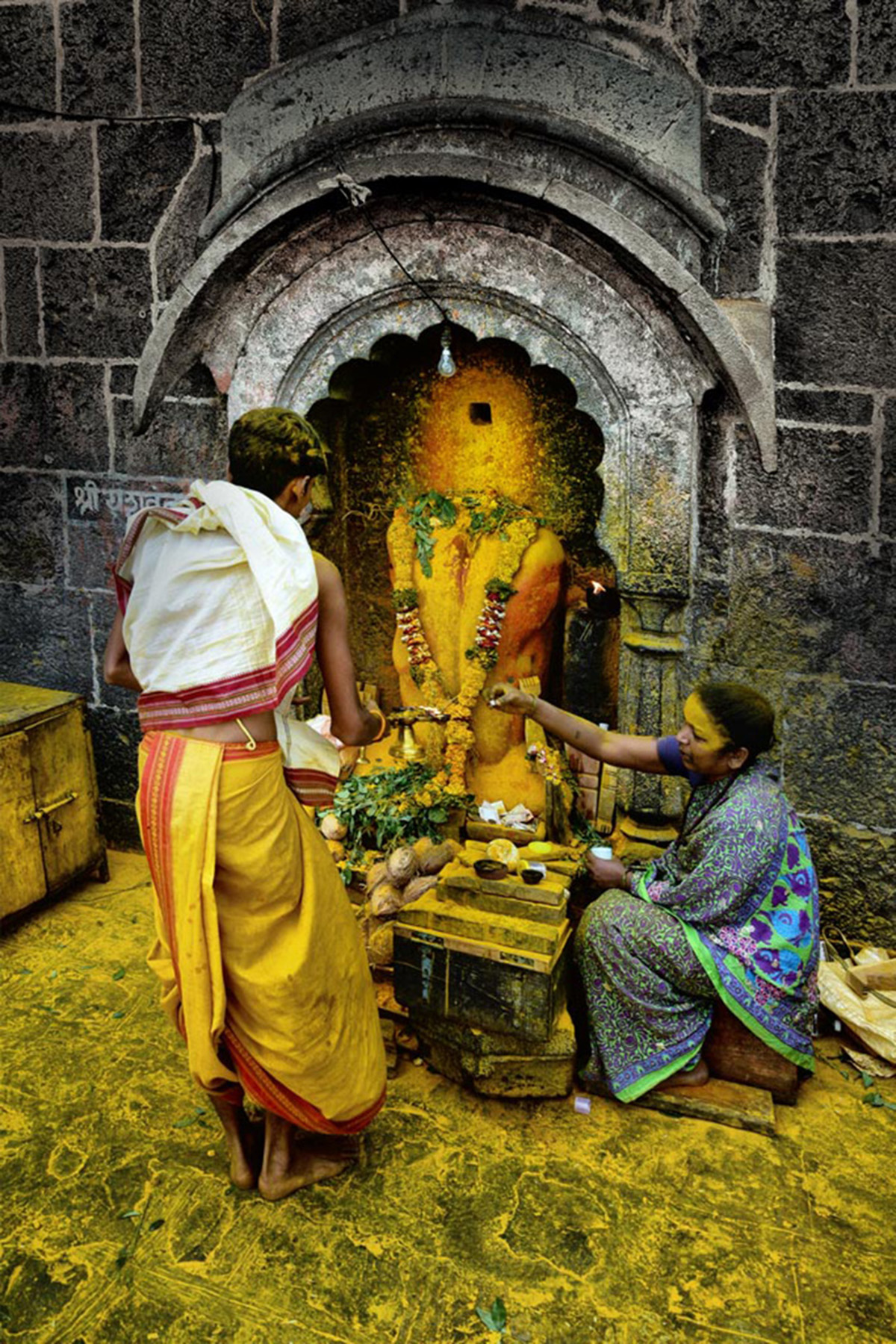
JEJURI BHANDARA PHOTO TOUR